Every pool deck material takes a different pressure
This is where pool decks differ from driveways. A driveway is concrete and you can treat it as concrete. Pool decks in Jacksonville are built from at least six different materials, and three of them are permanently damaged by driveway pressure.
Kool Deck is the one people get wrong most often. It is a textured acrylic-cement topping applied over concrete to stay cool underfoot, and it is soft. Hit it at 3,000 PSI and you strip the topping off in sheets, exposing the grey concrete underneath. That cannot be spot-repaired to match.
| Material | Pressure | Method | Risk if overdone |
|---|---|---|---|
| Broom-finish concrete | 3,000 – 3,500 PSI | Surface cleaner | Etching if you linger |
| Kool Deck / acrylic topping | 1,200 – 1,800 PSI | Low-pressure + chemistry | Topping strips off permanently |
| Travertine | 1,200 – 2,000 PSI | Soft wash, low rinse | Pitting; it is a soft stone |
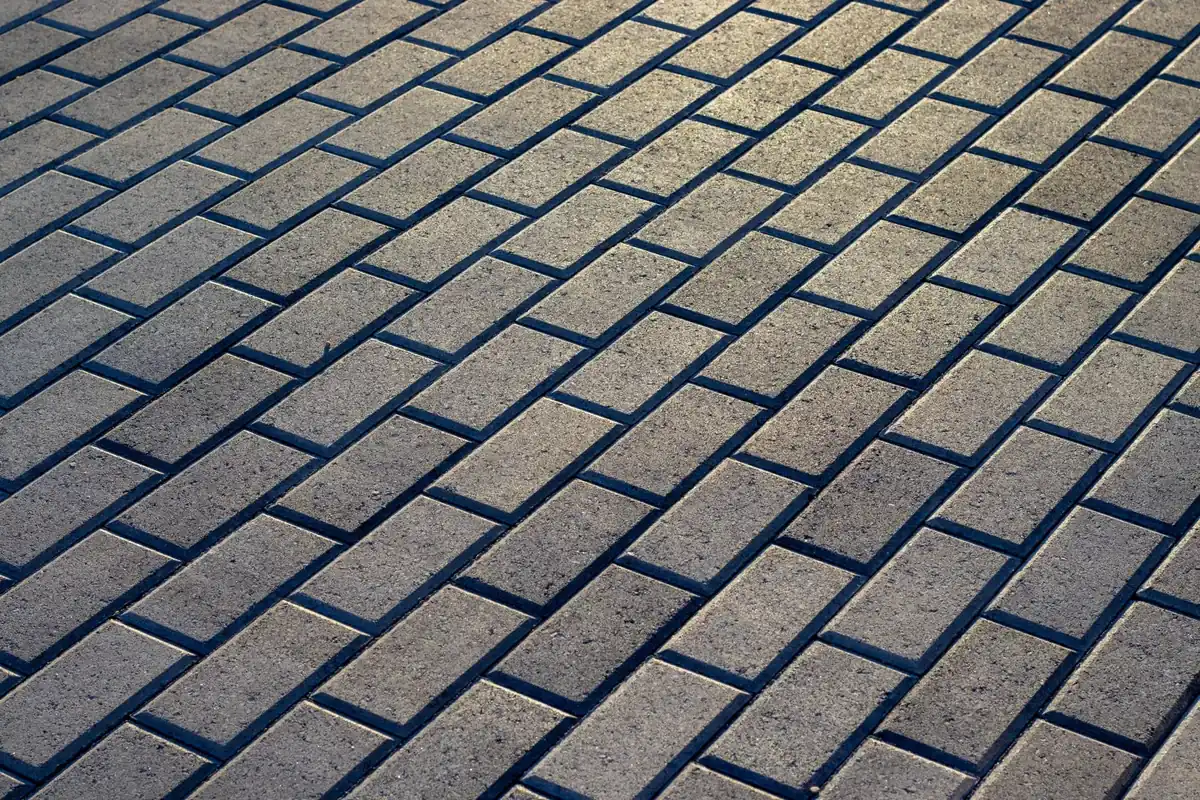
| Brick pavers | 2,000 – 3,000 PSI | Surface cleaner | Joint sand blown out |
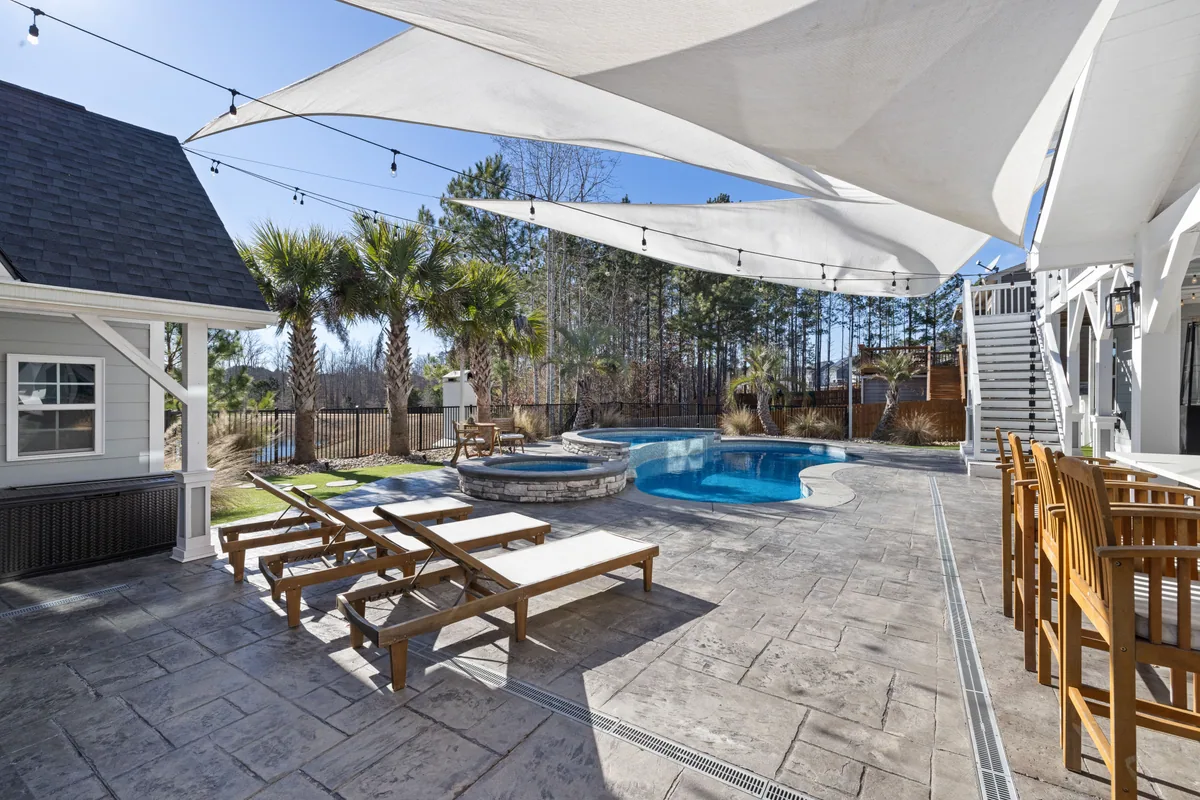
| Stamped / stained concrete | 2,000 – 2,500 PSI | 40° tip, keep moving | Sealer and colour stripped |
| Marcite / exposed aggregate | 2,500 – 3,000 PSI | Surface cleaner | Aggregate loosened |
The real reason to keep a pool deck clean
Appearance is the reason people call. Slip resistance is the reason it matters.
The green-black film that builds on a shaded pool deck is algae, and algae is slippery in a way that dirt simply is not. Dry, you would not notice it. Wet — which a pool deck permanently is — it behaves like a thin layer of grease over stone. This is the surface where people are barefoot, wet and moving quickly.
It builds fastest exactly where you would least want it: the shaded north side, under the screen frame, around the steps, and on the coping where splash-out keeps the stone permanently damp.
- Check the shaded side and the steps first — that is where the film starts
- If it feels slightly soapy underfoot when wet, it is algae rather than dirt
- A chemical pre-treat kills it; pressure alone leaves the roots and it returns in weeks
- Twice-yearly cleaning is reasonable for a heavily shaded deck, annually for open ones
Pool deck cleaning prices in Jacksonville
Priced per square foot like other flatwork, but travertine and Kool Deck carry a premium because they take longer and cannot be rushed.
| Deck | Size | Concrete / pavers | Travertine / Kool Deck |
|---|---|---|---|
| Small | Up to 400 sq ft | $149 – $189 | $179 – $229 |
| Typical | 600 sq ft | $179 – $239 | $219 – $289 |
| Large | 800–1,000 sq ft | $229 – $299 | $279 – $369 |
| Very large / resort style | 1,200 sq ft + | Quoted on site | Quoted on site |
| Add: screen enclosure | — | +$149 – $279 | +$149 – $279 |
| Add: seal travertine or pavers | Per sq ft | +$0.95 – $1.75 | +$0.95 – $1.75 |
Keeping the chemistry out of your pool
A fair question, and the answer is straightforward: we work away from the water, rinse toward the deck drains rather than the pool, and use dilute solutions that break down quickly.
If any overspray does reach the water, the volume involved is trivial against a pool's total capacity — a residential pool holds 15,000 to 25,000 gallons. That said, we would rather it did not happen, so we cover the water on small decks and time the rinse so runoff goes away from the coping.
Practical advice: run the pump for a few hours after we finish, and test the chlorine before anyone swims. Not because we expect a problem, but because it costs nothing to check.
What's included in every job
No line items appear on the invoice that weren't on the quote. Everything below is part of the price:
- Full clean of the deck surface at the correct pressure for the material
- Coping stones and pool edge detailed by hand
- Steps, risers and any raised bond beam cleaned
- Expansion joints cleared of weeds and moss
- Screen enclosure kick plates rinsed where present
- Deck rinsed clear so nothing enters the pool
Travertine and Kool Deck need lower pressure and take longer than plain concrete. Read more in our Jacksonville pricing guide, or see what to ask before hiring anyone.
Expert tips from our crew
Things worth knowing whether or not you hire anyone. Several of these will save you money, and a couple of them will save you from a repair bill.
Find out what your deck is actually made of
Kool Deck and travertine look like concrete to most people and are permanently damaged by concrete pressure. If you do not know, ask the contractor to tell you before they start — a good one will identify it on sight.
Test the shaded side with a bare foot
If it feels faintly soapy when wet, that is algae film and it is a genuine slip hazard. That is your signal to book, regardless of how it looks.
Rinse splash-out zones with fresh water
Chlorinated splash-out dries on coping and leaves deposits that build into a hard film. A quick fresh-water rinse of the coping now and then slows it noticeably.
Run the pump after any deck clean
A few hours of circulation and a chlorine test before anyone swims. Nothing should have reached the water, but checking costs nothing.